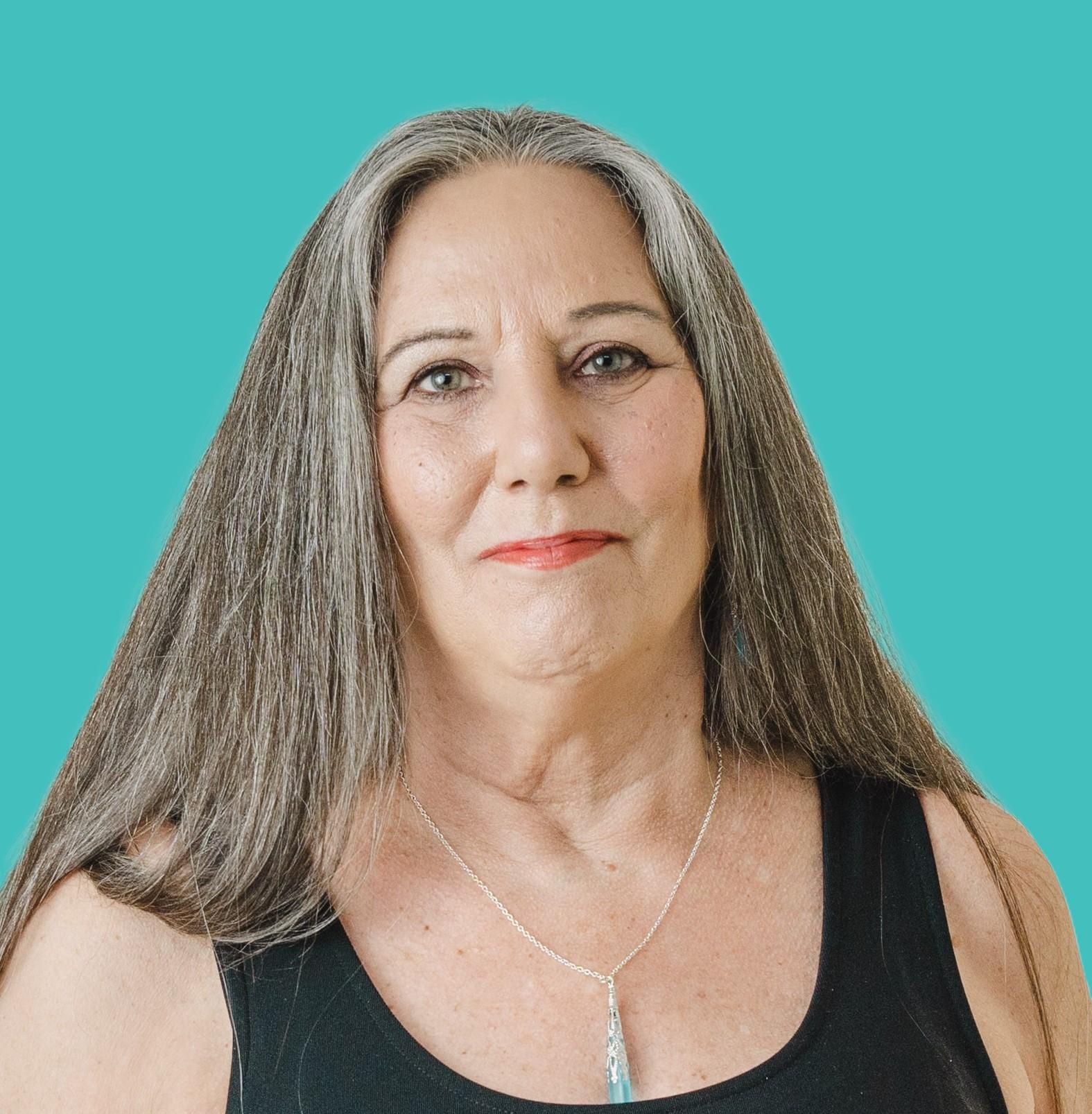
I was an early reader.
My father, who worshipped knowledge and bequeathed that religion to me, used 3×5 cards and masking tape to label everything in our home when I was three.
table
chair
couch
television
telephone
door
bed
And then there was the 3×5 card
he attached to his dog tags
with a paperclip that said Daddy.
But I don’t really remember reading early. I may have known some words by sight, but I don’t think I was reading reading.
I have a vivid memory of walking home from first grade, puzzling over a Dick and Jane story. It had been worksheet time, and I finished early, so the teacher told me to look ahead in my book.
I encountered the word neighbor. All the phonics in the world wasn’t helping me with that sucker. I twisted those sounds and pronounced it aloud as I walked home (yes, alone, children were feral in the 1960s), and as soon as I rounded the corner and saw the elderly woman who lived in the house next to ours, whom I called Grandma Dot, it clicked. Neighbor.
I think that’s the day I really learned how to read.
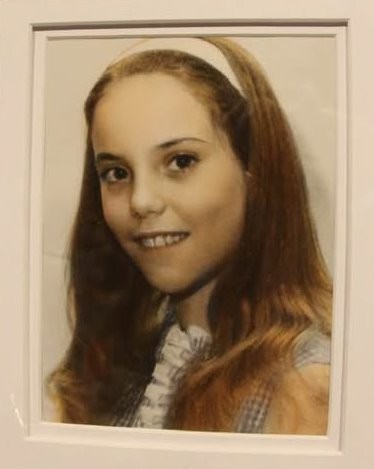
From that moment on, I read everything I could get my hands on. I had library books, Scholastic Fair books, and, best of all, the grocery bags of books my mom bought for me at the local Goodwill and Salvation Army. And of course, the Weekly Reader. When those ran out, I read our World Book Encyclopedia. And one time, my dad came home to find his 8-year-old daughter reading the Taming of the Shrew in his collected works of Shakespeare.
I read the encyclopedia and the back of the cereal box and the church program and the owner’s manual for the car and anything else within arm’s reach when I had to, but I wanted story.
Someone wrote, or perhaps I heard it said at a conference or workshop,
The human brain is hardwired for story.
We crave it so much that our brain
tells us stories all night long
and we call them dreams.
Or something like that.
I read voraciously, but I was also a social child. Cottoning on pretty early that it was rude to whip out a book and start reading when the conversation began to lag, I began oral storytelling.
In sixth grade, I was famous for holding court underneath the North Carolina pine trees after dinner and telling stories I made up on the fly. After the sun set, they became scary stories, and we all, including me, shivered with delicious fright as the tale was spun. Even I didn’t know how it was going to end.
I didn’t write them down.
By junior high, I knew I wanted to be a writer. I knew writers had to write to be writers, but there was something about the blank page that kept me from making a mark on it.
I only wrote for school assignments.
In high school, I fell in love with classic literature and gave up all hope of ever being able to write that well.
So, I was premed in college.
And then I dropped out when organic chemistry was close to stealing my will to live.
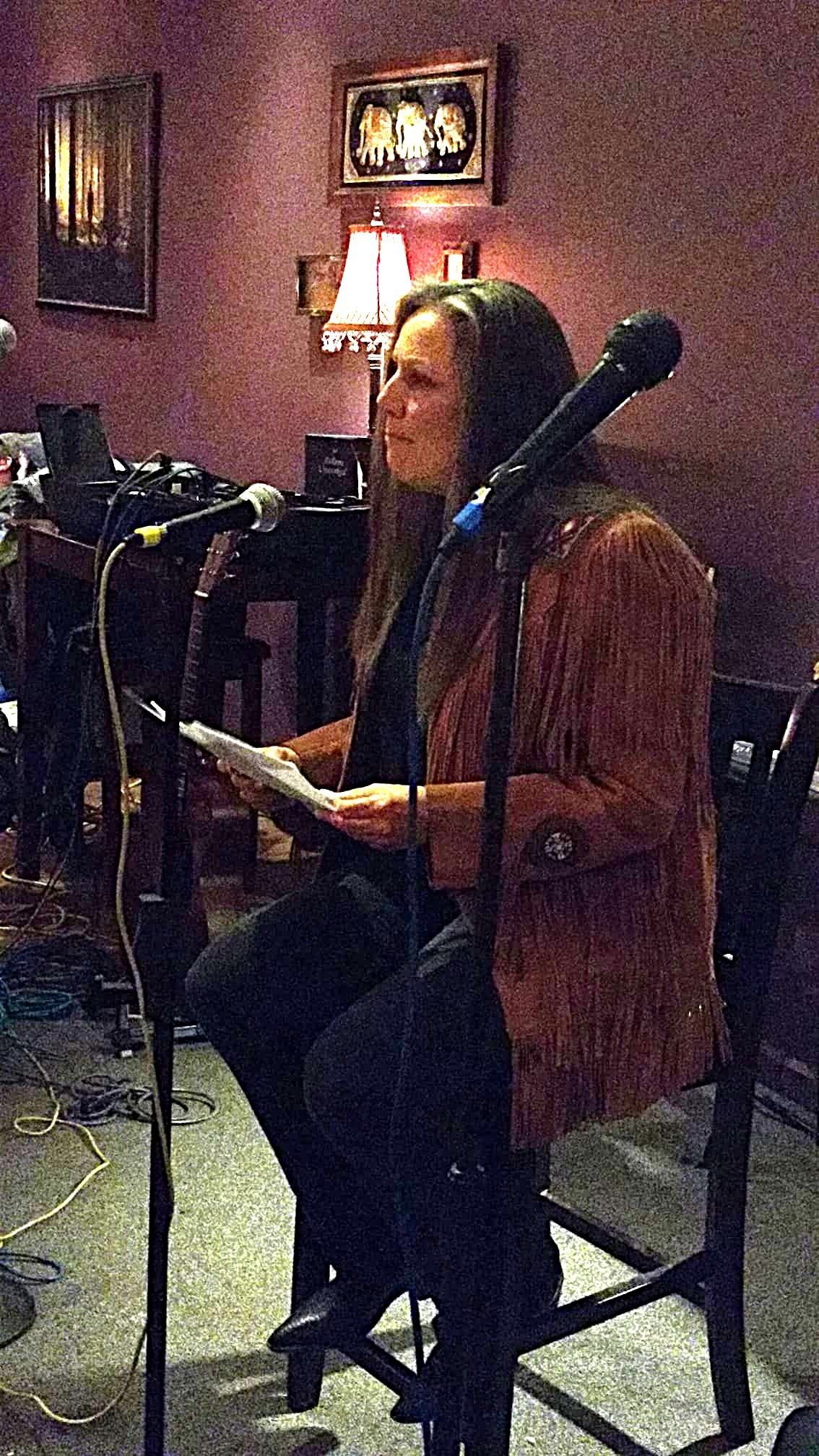
But I continued to tell oral stories to anyone who would listen. Some true. Some not.
When I feared my brain had turned to mush and was sliding out of my ear and down my neck, I re-enrolled in college a few years before my 40th birthday. It’s not germane to this discussion, but I eventually majored in Cultural Anthropology. The semester I took stats and theory, I was in desperate need of diversion and signed up for creative writing.
Doing what I always wanted to do with my GPA on the line kept me accountable. I mastered the blank page. It was dreck, but it was something.
And I found the state of being Diane Ackerman calls Deep Play.
Deep play is the ecstatic form of play.
In its thrall, all the play elements are visible,
but they’re taken to intense and transcendent heights.
My head, my heart, my soul, and my body were all in sync while I pounded keys trying to get the words into pixels before another synapse fired and they were gone.
I love the syncopation of my inner drum circle where id, ego, and superego jammed together, their beat thrumming through my body and my brain.
I write because it feels good. I write because I don’t just want to consume the needed story; I want to create it.
I write to be read. I think I have something to say that perhaps is of use to some people.
And I write to remember. I write to leave a legacy.
I write because that 6th-grade girl remembers the rush she felt when she knew her audience was leaning forward waiting for the next line.
Because we are all hardwired for story.


